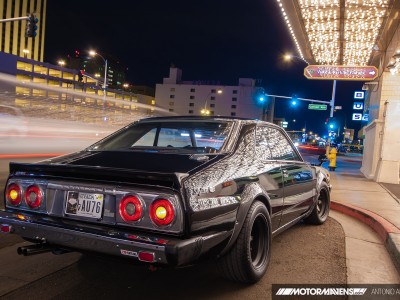
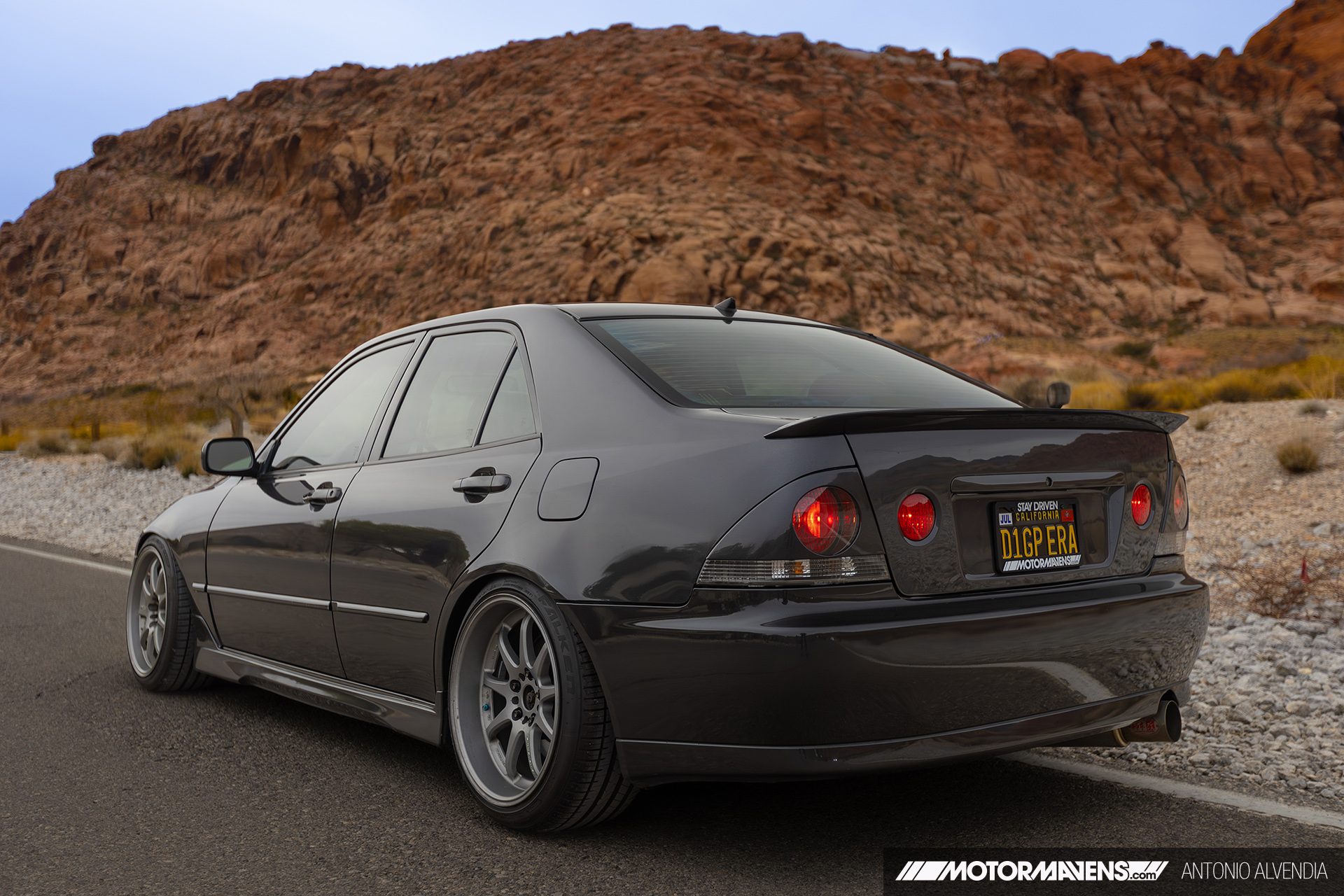
The Lexus IS300 is one of the coolest Japanese sport sedans ever built, and mine certainly looks the part. Clean body and paint, an interior that aged well, factory W55 five-speed, and a sporty, reliable 2JZ-GE under the hood. From the outside, it checks every box… but then I tried doing donuts one day, and reality showed up fast.
Mine somehow had an M85 open diff installed in the rear end. No LSD.
As they say in the Southern States, “aw heyllll naw!” My IS300 is a manual car, which should mean it came with the M85 limited slip differential. Should. Instead, I had one tire spinning uselessly while the other just sat there lazily watching. All that smooth 2JZ inline-six torque going absolutely nowhere.
For a clean manual car with this much potential, that’s just embarrassing.
Before getting into the swap itself, it’s worth understanding what Toyota actually put in these cars from the factory, because the IS300 didn’t come with just one rear differential configuration.The deeper you dig, the more you realize Toyota lowkey packed this platform with more engineering depth than it ever got credit for.
Depending on the transmission and trim package, you could be driving a very different car than the IS300 parked next to you at a meet.
The three codes you need to know are the M85, M96, and M98. All three use a 7.5-inch differential carrier, which is one of the reasons parts interchangeability is so strong across this platform.
The M85 is the manual transmission car’s differential. It runs a 3.73 final drive ratio and is supposed to come with a factory limited slip differential. My car was apparently the exception to that rule, which is exactly the kind of thing that keeps used car buying interesting.
The M98 is where automatic IS300 owners hit the jackpot. This differential also carries a limited slip, but it’s a Torsen unit running a 3.91 ratio. You’ll find it in automatic cars with sport-oriented factory packages. The shorter 3.91 ratio makes the car feel more urgent off the line, and the Torsen LSD distributes torque smoothly and predictably. For an automatic IS300, the M98 is the factory configuration most people are actively trying to find.
The M96 is the one worth knowing about for a different reason. It shares the same 3.91 ratio as the M98, but it’s a completely open differential. No limited slip. It’s the most common differential in base automatic IS300s, and it’s the one that ends up welded in budget drift builds. If you’re buying a used IS300, confirming which differential is actually in the car before you hand over money is genuinely important.
Gear Ratios: What the Numbers Actually Mean on the Road
The ratio difference between 3.73 and 3.91 is small on paper. Behind the wheel, you feel it.
The M85’s 3.73 gives the manual car a slightly longer-legged character. The engine doesn’t feel rushed. Highway cruising is relaxed. When you want to push, the power is there, but the car doesn’t feel like it’s constantly working. For a five-speed manual, that balance makes sense.
The 3.91 in the M98 and M96 is shorter, which means the engine spins faster relative to road speed. The car responds more eagerly from a roll. It feels snappier in city driving. For an automatic transmission, that extra urgency helps the car feel alive in a way the longer 3.73 ratio doesn’t quite deliver.
Here’s the quick reference worth saving:
| Differential | Ratio | Type | Transmission |
|---|---|---|---|
| M85 | 3.73 | LSD (or open, apparently) | Manual (W55) |
| M98 | 3.91 | Torsen LSD | Automatic |
| M96 | 3.91 | Open Diff | Automatic |
| Y38 | 4.100 | Torsen LSD | Scion FR-S / Subaru BRZ |
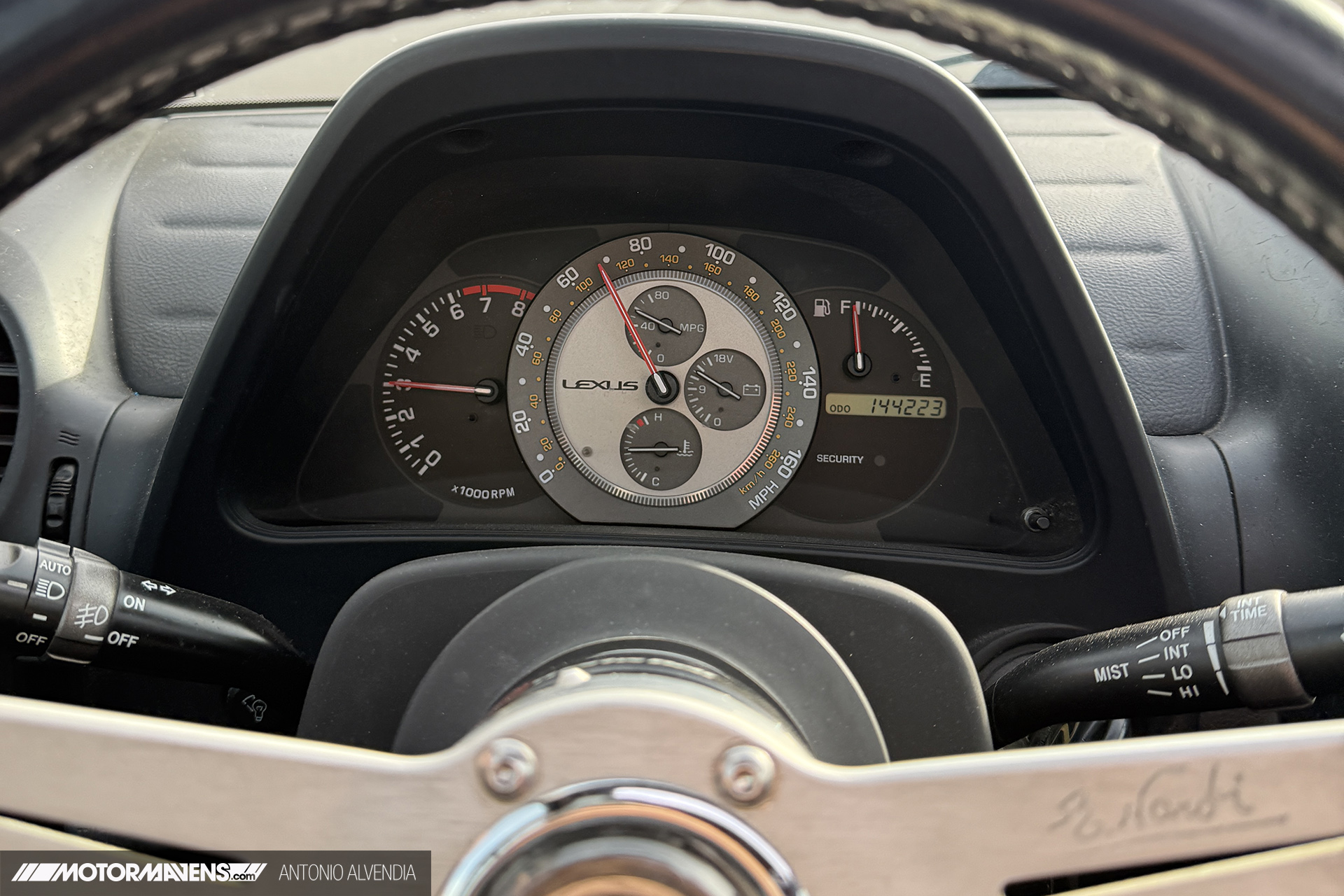
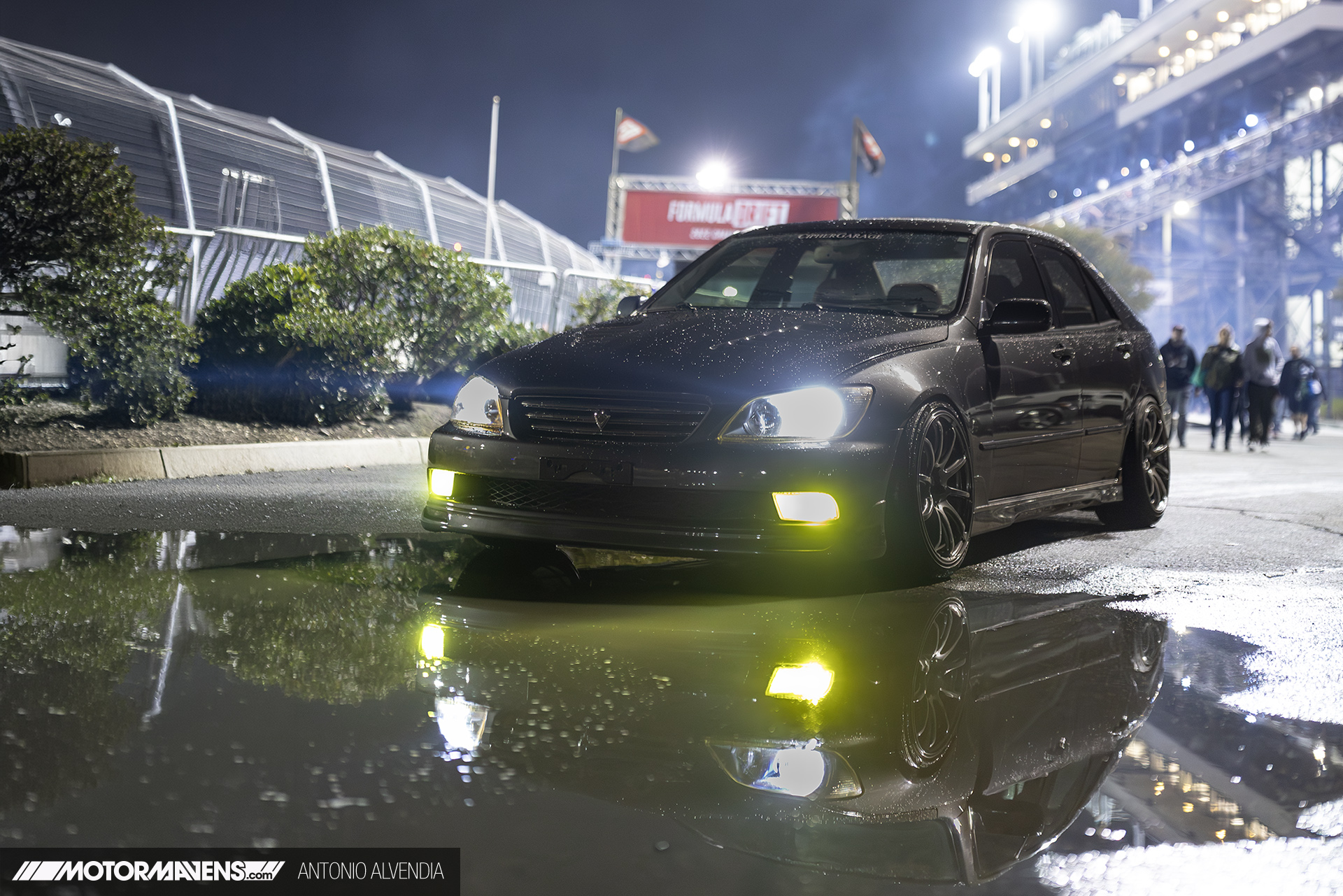
The photo above shows my Lexus IS300 with Y38 rear end, while cruising in 5th gear on the way to VegasDrift.
The FRS Y38 Diff Makes So Much Sense for IS300
The Scion FR-S and Subaru BRZ came with the Y38 Torsen limited slip differential as standard equipment from the factory. Toyota put it in the FR-S because they understood that a well-sorted chassis with proper torque management feels fast in a way raw horsepower alone never can. The FR-S proved that to an entire generation of enthusiasts who couldn’t believe how alive a 200 horsepower car could feel through a set of corners.
The Y38 also runs a 4.100 final drive ratio, which is shorter than anything in the IS300 factory lineup. Shorter gearing means the engine sits higher in its powerband during normal driving. The car pulls harder from a roll. Throttle response feels sharper. The 2JZ-GE’s torque curve fills in lower in the rev range where you actually use it on the street.
The IS300 and Toyota Altezza platform are dimensionally compatible with the Y38. Bolt pattern, axle flanges, carrier dimensions. It goes in as a bolt-on swap, which is the part that still surprises people when they first hear it.
One detail worth noting before you start shopping for a donor diff: manual and automatic IS300 differentials can require different inner axle stubs. Confirm your axle hardware matches what you’re installing before you buy. It’s the kind of thing that turns a straightforward afternoon job into an unnecessary parts chase if you miss it.
Torsen vs. Clutch-Type LSD: Understanding the Difference
The Y38 and the factory IS300 LSDs are all helical gear Torsen differentials, but the FR-S unit carries a more aggressive torque bias ratio than the stock M85. The improvement was immediately noticeable the first time I drove the car after the swap. The rear plants under power instead of searching for traction. Corner exits are cleaner. The chassis finally feels like it’s working with the engine instead of against it.
For context on where the Torsen sits in the bigger picture, here’s how the main differential types compare:
Torsen LSD (Helical Gear) Works entirely through mechanical worm gear principles. No clutch packs, no break-in period, no maintenance beyond regular fluid changes. Torque transfers smoothly and progressively toward the gripping wheel. The engagement is transparent and confidence-inspiring. It works without asking for anything in return.
Clutch-Type LSD (Kaaz, OS Giken) Uses friction plates that lock mechanically when torque split exceeds a set threshold. The locking behavior is tunable through preload adjustment and plate count. At the limit, a properly set clutch-type LSD delivers more aggressive and controllable locking than any Torsen unit. OS Giken’s Super Lock is one of the most respected options in the IS300 and Altezza community. Kaaz offers excellent 1.5-way and 2-way configurations for drivers who want precise control over locking behavior both entering and exiting corners.
The tradeoffs are real though. Clutch-type LSDs require periodic maintenance, can produce driveline chatter during tight low-speed turns, and cost significantly more. OS Giken units start around $1,200. Kaaz units sit in a similar range. For time attack, circuit racing, or a dedicated drift build, that investment makes complete sense. For a street-driven IS300 that sees occasional track days, the Torsen swap delivers remarkable results at a fraction of the price.
Open Differential No torque transfer. One wheel spins, forward motion suffers. Fine for the grocery store run, genuinely limiting everywhere else. Ask me how I know.
Hooked on LSD at Garage Boso
To be honest, it took me a long time to get the Y38 LSD installed into my car after acquiring it. After buying it from Jason, I was super busy with my job (I was working for McLaren at the time) and trying to move from Los Angeles to Vegas, so I didn’t have time to mess with any of my cars. I haven’t crawled under one of my cars to install an LSD in 15 years, so I asked my friend Ross Petty from Garage Boso for help.
Ross is a former Formula Drift pro driver, which means he has spent more time thinking about how rear ends behave under load than most people spend thinking about cars in general. When someone with that background agrees to work on your build, you clear your schedule and show up on time.
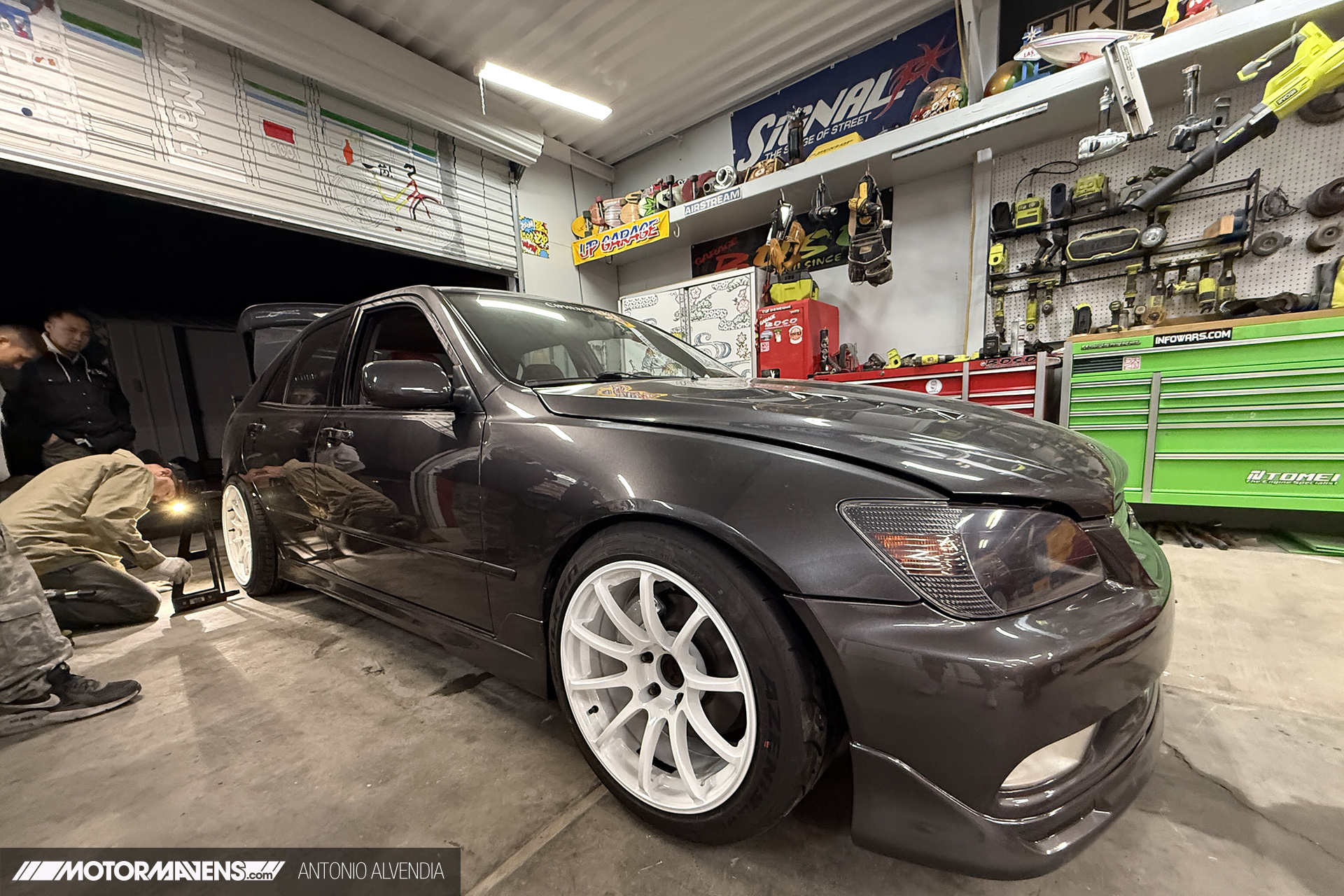
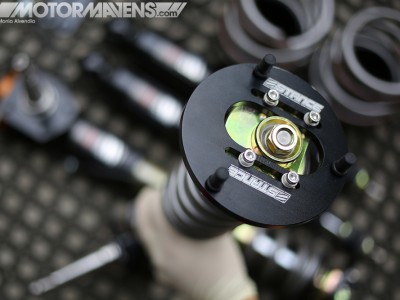
Ross confirmed the fitment, dropped in the Y38, filled the gear oil, installed new Swift Springs onto my Apex’i coilovers, and had everything sorted for me. He took it for a test drive after installing it, saying “It feels like it should have come from the factory this way. This thing rips now!”
That’s exactly what I wanted to hear!
What the Swap Actually Feels Like
The first drive after Ross finished the install told the whole story. The rear plants. The throttle drives the car forward. The 2JZ-GE’s torque, which always felt slightly wasted through the open M85 under hard use, now reaches the road.
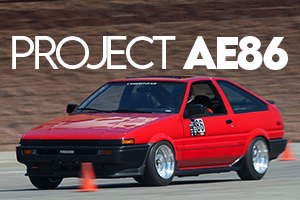
The 4.100 final drive also makes the car feel noticeably more responsive in everyday driving. The engine sits higher in its powerband, so it pulls harder from a stoplight. At highway speeds, RPM runs slightly higher than stock, which is worth knowing if long freeway commutes are a regular part of your life. For the kind of driving I do, it’s fine and I’m not worried about it. I used to daily drive an AE86 every day for crying out loud. The IS300 feels ultra luxurious in comparison.
The car that checked every visual box before now checks the driving ones too.
Final Thoughts
The IS300 rewards the people who take the time to understand it. The 2JZ-GE gets all the attention, and it deserves most of it. The differential is where the car’s real character lives, though. It’s what decides how that power actually reaches the road, and how much confidence the car gives you when you’re asking it for everything it has.
Whether you’re chasing an M98 to replace an open diff automatic, hunting a proper LSD M85 for a manual swap, or going the Y38 route like I did, getting the rear end right is one of the best investments you can make in this platform. A proper LSD transforms the IS300 at seven-tenths and beyond without changing a single thing about the character that made you want one in the first place.
Thanks to Jason Wilcox and the SoCal IS300 Facebook group for the parts connection, and to Ross Petty for doing the work right. The car is better for it. Now that I know what it’s truly capable of, it’s time for me to spend more time at the race track and getting more seat time at VegasDrift! I’m definitely not done with this thing yet.
Stay tuned to MotorMavens for the next chapter of the Project IS300 build.
:: Antonio Alvendia
Instagram: @AntonioSureshot • @MOTORMAVENS
www.antoniosureshot.com
Follow MotorMavens on Instagram at @MotorMavens for daily content, build updates, and real enthusiast culture. Subscribe to the MotorMavens YouTube channel for video features, shop tours, and everything happening with the builds you’ve been following. The community lives there. Come be part of it.