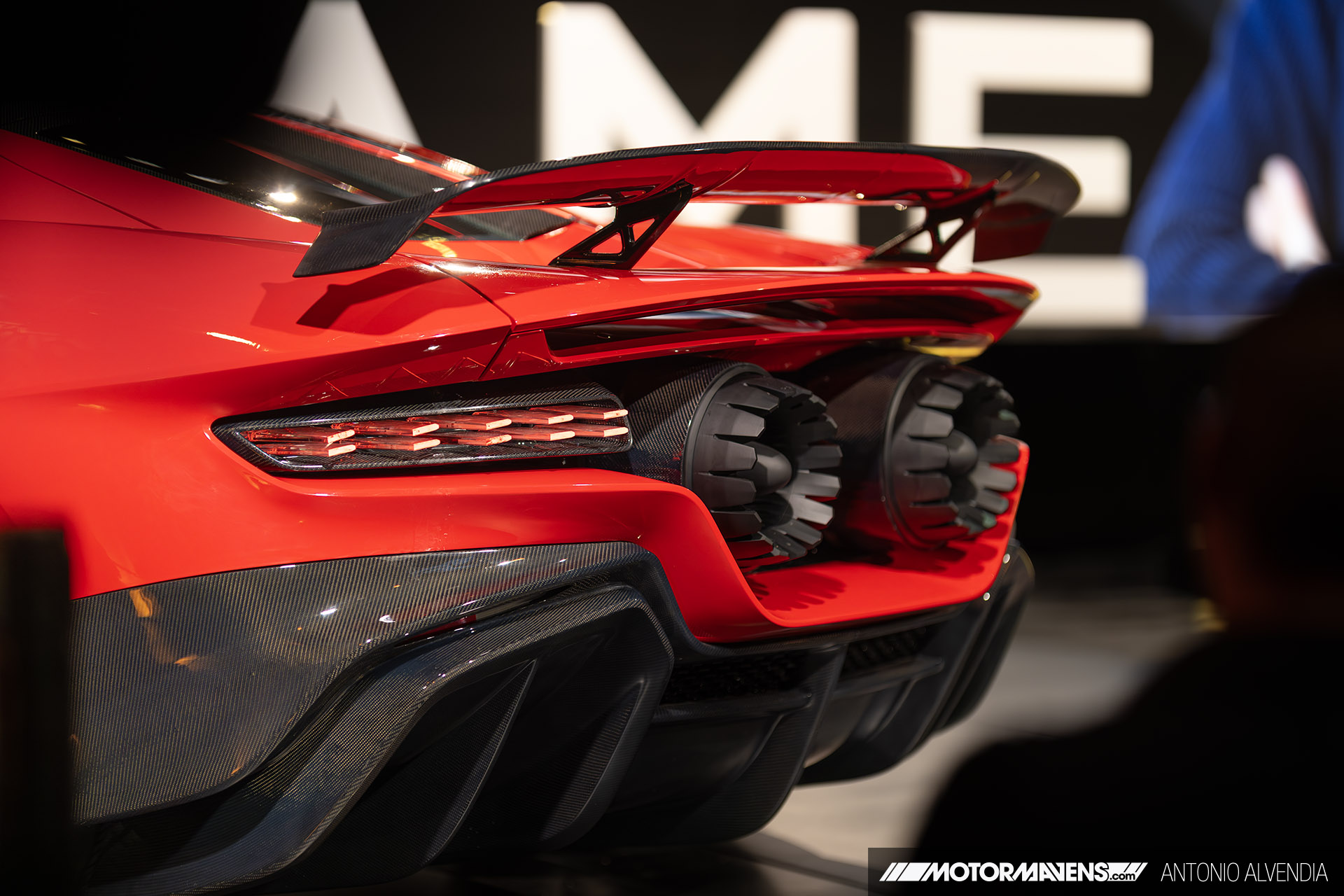
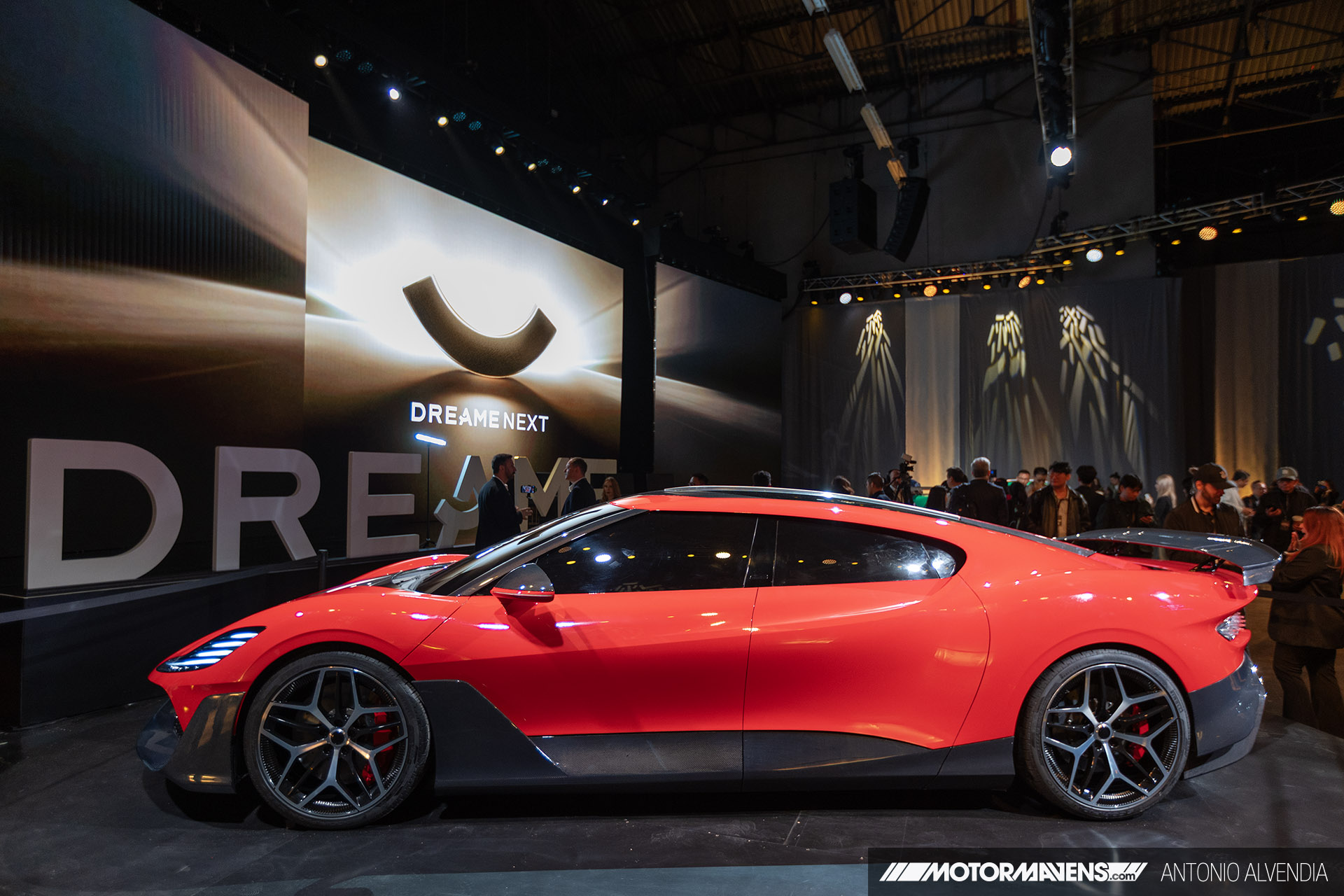
The Dreame Nebula Next 01 Jet Edition electric hypercar made its global debut this week in San Francisco, and I was excited to attend the event. I flew in to SFO Airport expecting to cover the car launch, but didn’t realize it would take place in a historic venue with multiple product showcases from the same brand.
Dreame Technology revealed their hypercar at DREAME NEXT, but that was only part of what they brought. The bigger story is how everything connects. Vehicles, robotics, smart home devices, and personal care products are all tied together through their Metis AI platform.
Most people know the Palace of Fine Arts for its iconic, gold-toned architecture in Marina District of San Francisco, just near the entrance of the Golden Gate Bridge. It was originally built to exhibit works of art over a hundred years ago, cementing its place in the SF Bay skyline during the Panama–Pacific International Exposition in 1915.
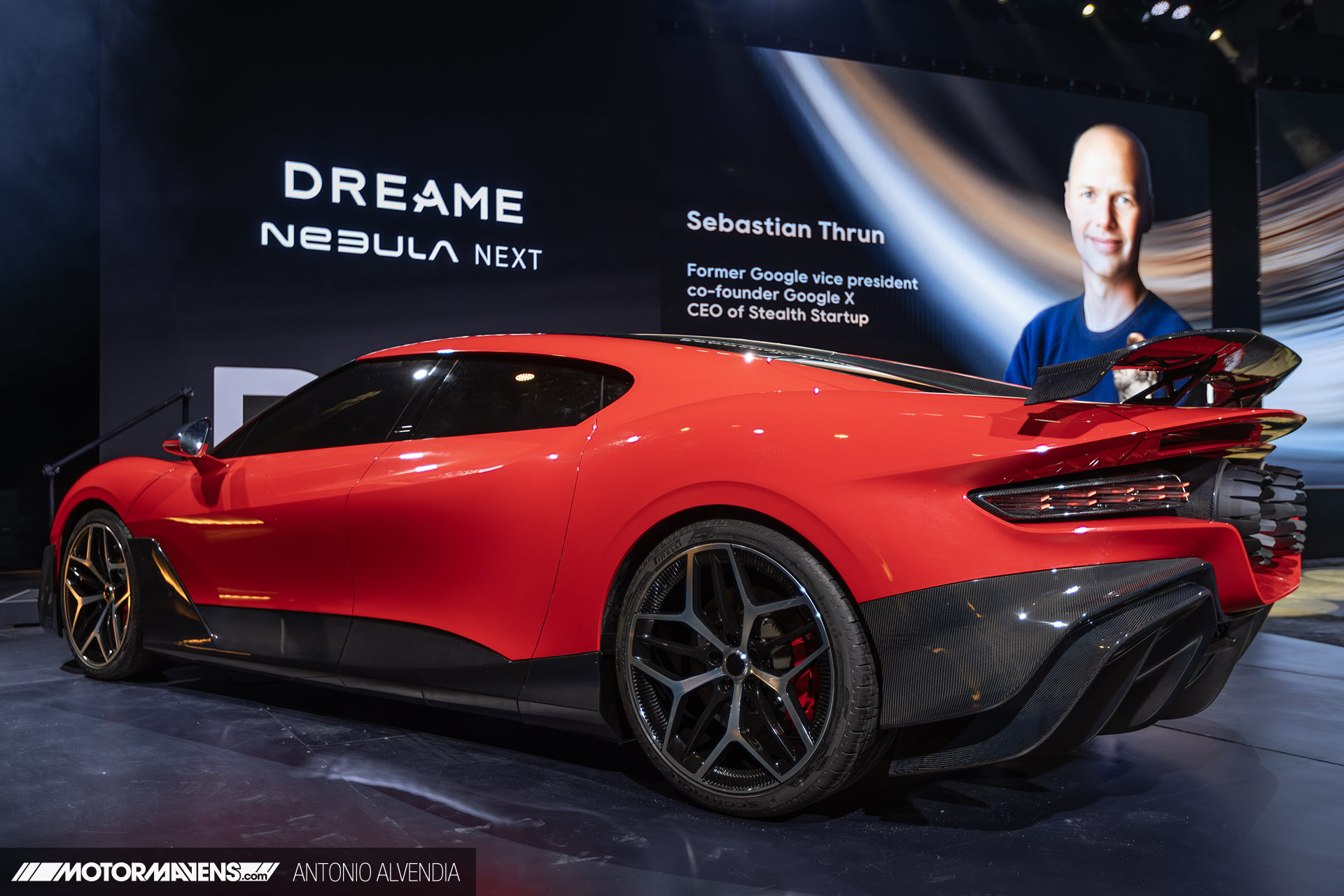
Dreame’s marketing team certainly chose a monumental setting that matched the ambition of what they were announcing – an electric hypercar with working rocket boosters that help it accelerate to 60 mph in under one second.
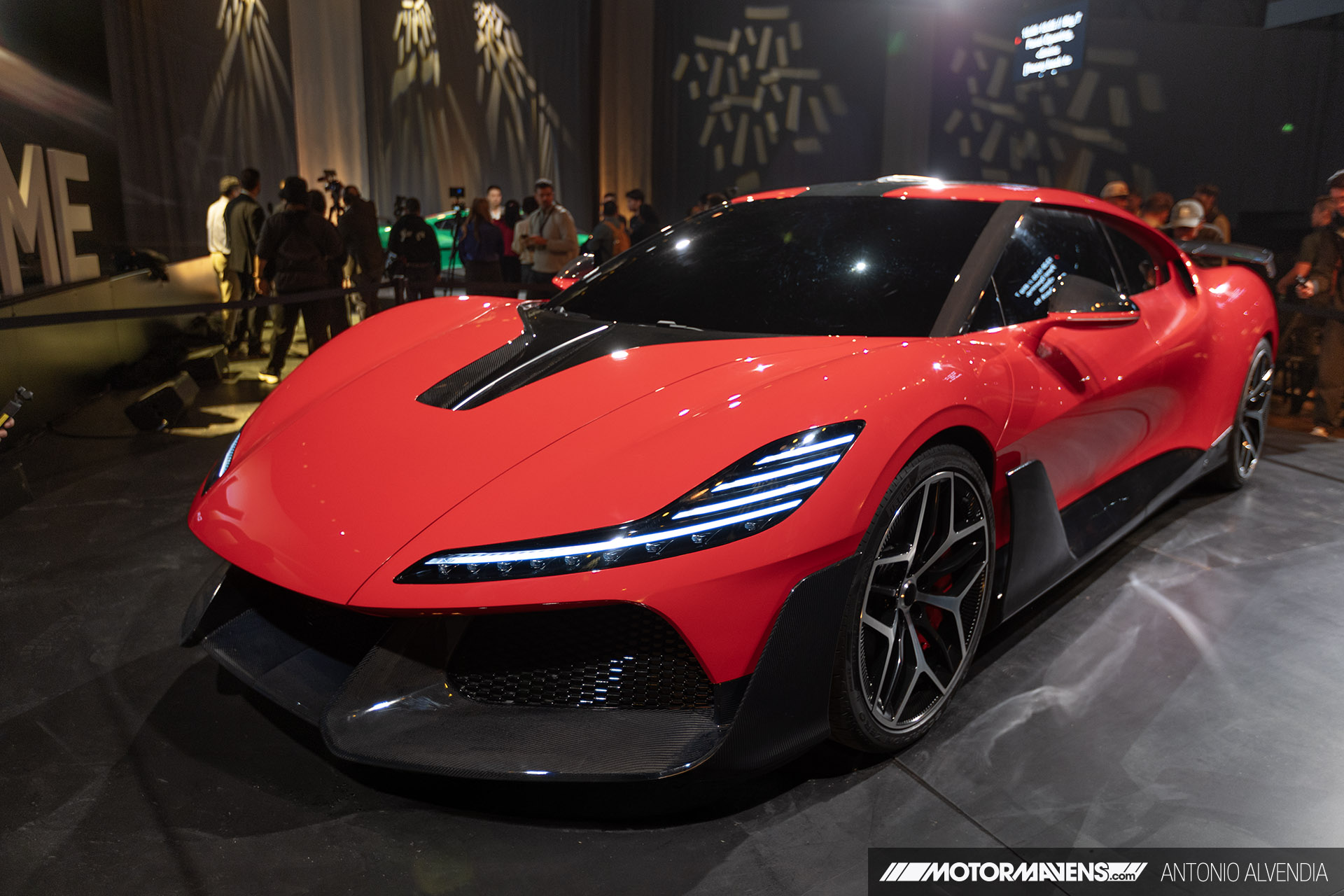
Wait – Rockets? Seriously?!
Yup, that’s right. That’s why it’s called the Dreame Nebula Next 01 Jet Edition. The good people at Dreame definitely focused on the engineering, because from a brand standpoint, the naming of the car could be improved to roll off the tongue more easily. The words Dreame Nebula Next 01 Jet Edition read more like a sentence or paragraph instead of simples word like Miura, Huayra, Artura, Sterrato, or other names that one can remember easily.
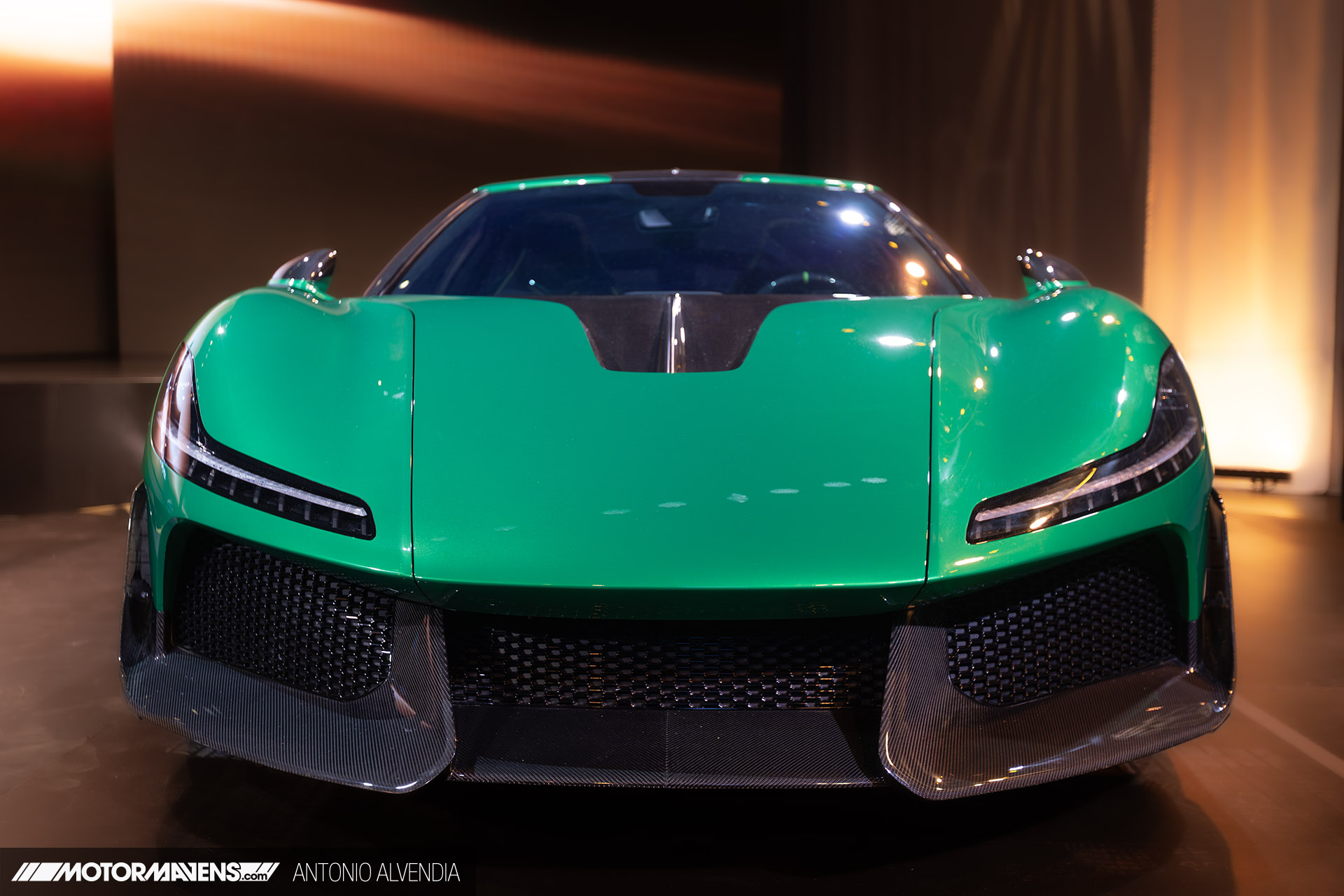
The original green Dreame Kosmera Nebula 01 was officially unveiled as a futuristic 4 door electric hypercar concept in January at the CES Show in Vegas.
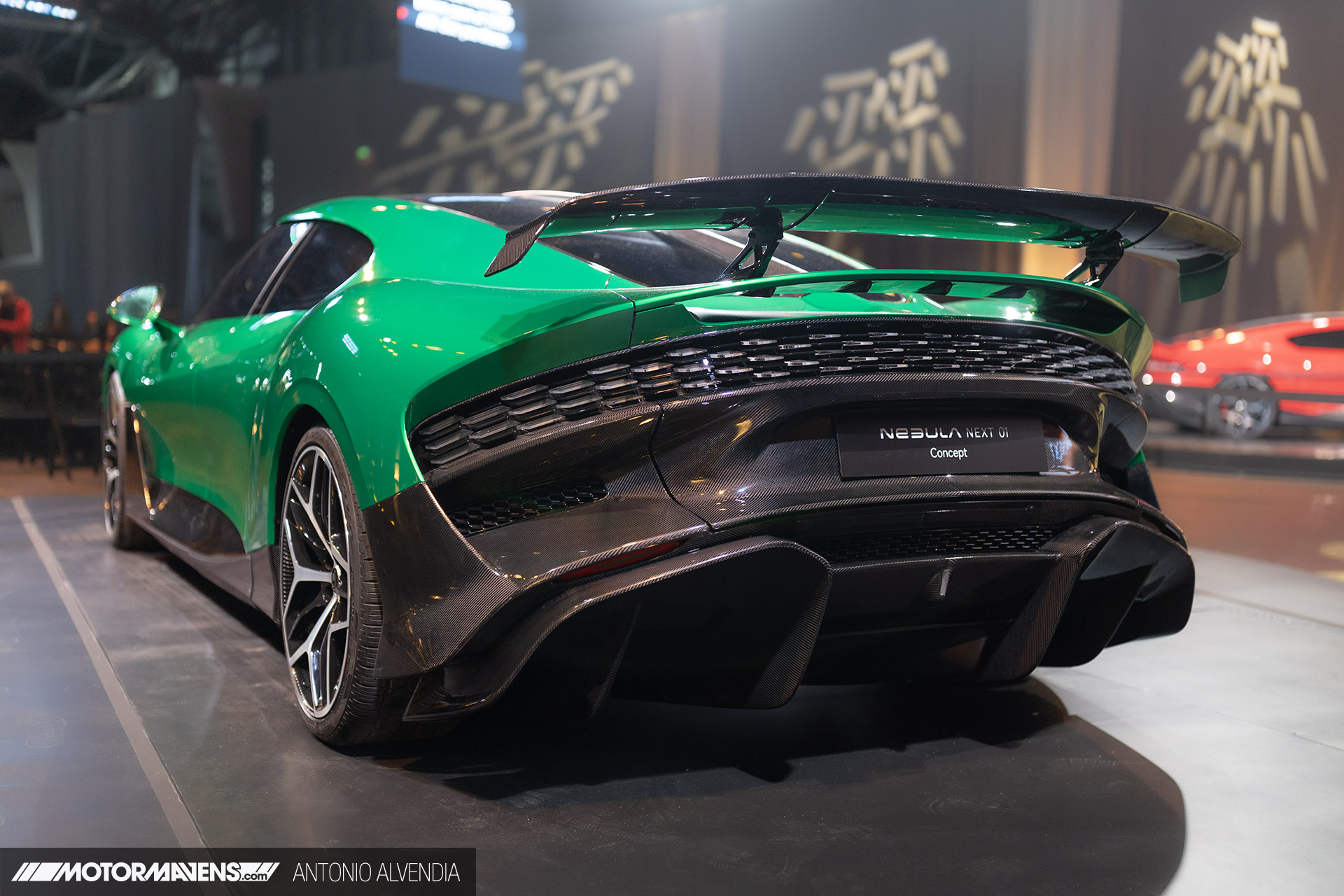
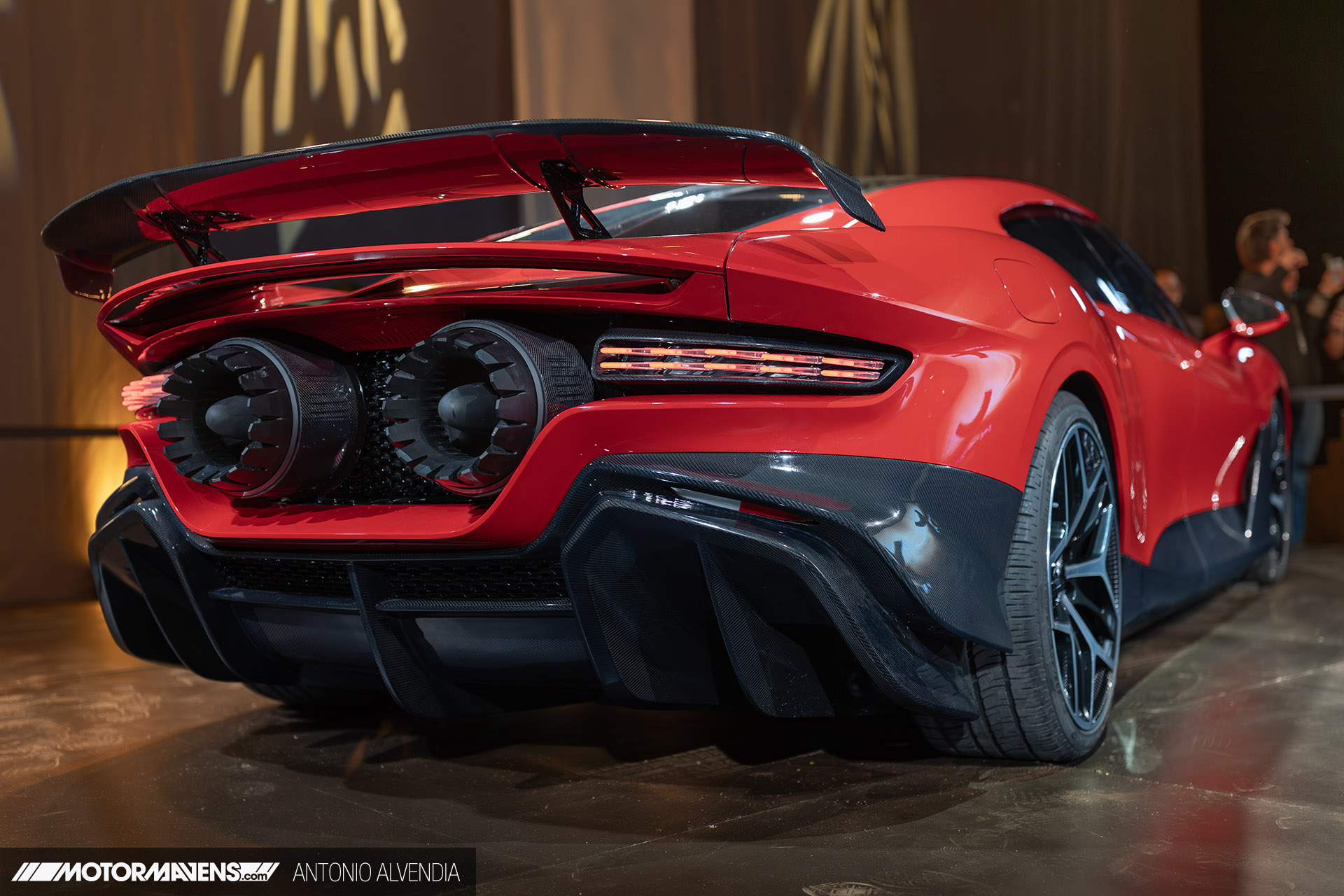
The green Kosmera Nebula 01 is different than the red Nebula Next 01 in the San Francisco unveiling, because only the red Jet Edition has rockets in the back that simulate the afterburners on a fighter jet, like the F-14 Tomcat or F/A-18 Hornets used in Top Gun.
The Nebula Next 01 Jet Edition runs on a custom dual solid-fuel rocket booster system with Dreame’s Metis AI platform onboard, using an ultra-high-definition DHX1 LiDAR unit for perception. All of this is powered by a sulfide-based all-solid-state battery. Dreame claims it has a 0-to-100 km/h time of 0.9 seconds. That’s mind alteringly fast!
Who Is Dreame Technology anyway?
If you haven’t heard of Dreame before, you’re not alone. Many car people haven’t. Founded in 2017, Dreame is a global tech brand that built their name on high-speed digital motors and intelligent home appliances: vacuum cleaners, air purifiers, and personal grooming devices you might have seen on Amazon.
The company now operates in more than 120 countries, serves over 42 million households, and has filed more than 10,000 patents worldwide with over 3,000 already granted.
Here’s the thing about that background: motors running at 200,000 RPM, intelligent algorithms, and bionic robotic arm technology are genuinely useful foundations for building a serious performance vehicle. Dreame has been doing precision motor engineering at a high level for years. The Nebula Next program grew directly from that work.
Dreame Founder Yu Hao started exploring autonomous driving during the early SkyAxis Program at Tsinghua University, and that research goes back more than a decade. Dreame waited until they had the right technology, organization, capital, and global capability before announcing a vehicle. That patience shows in what they brought to San Francisco.
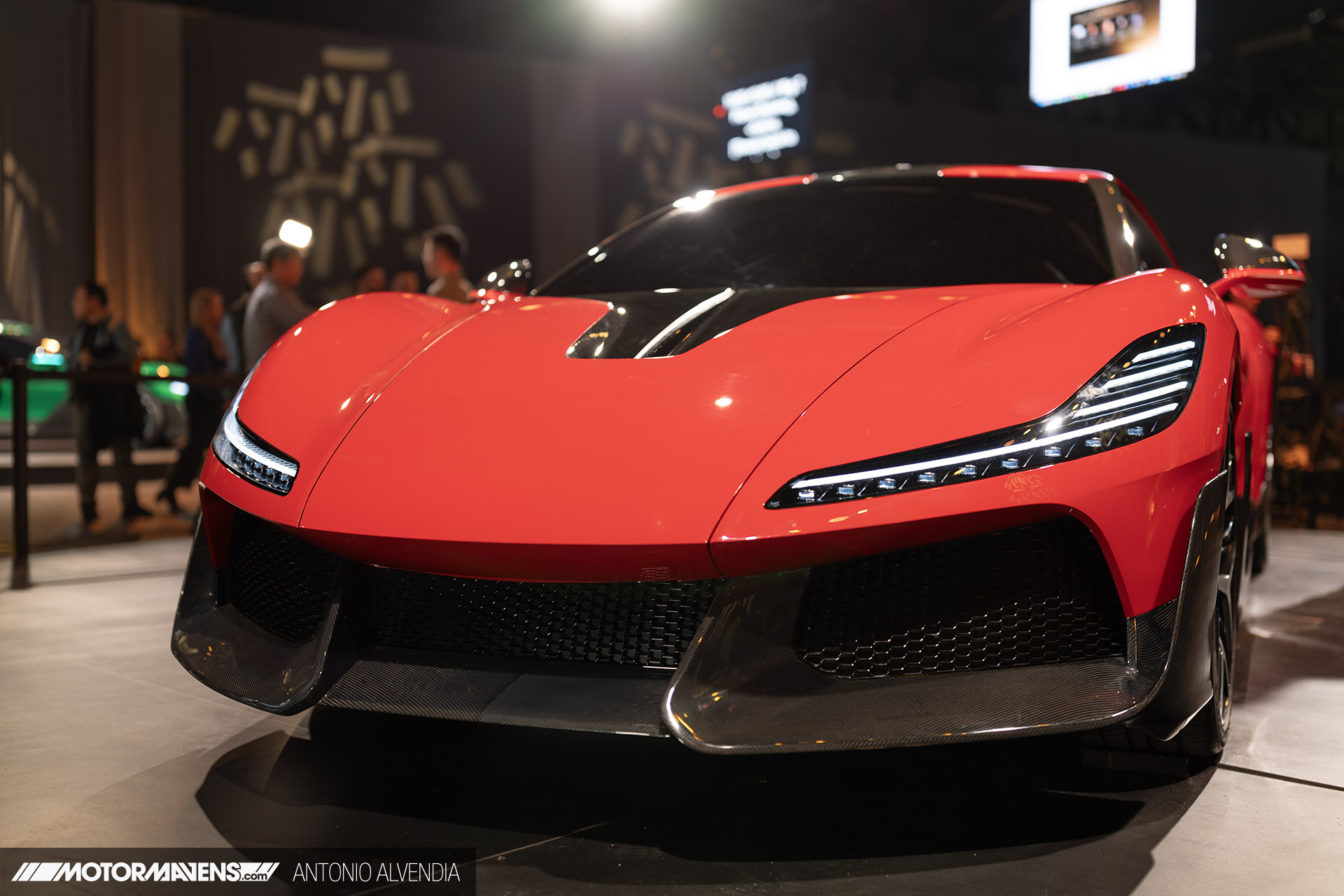
Dreame Nebula Next 01 Jet Edition: Rocket Boosters, Solid-State Battery, and Sub-Second 0-60
Zero to 100 kilometers per hour in 0.9 seconds.
That number is worth sitting with for a moment. The Rimac Nevera, one of the fastest-accelerating EVs ever built, does the same run in around 1.8 seconds. The Dreame figure, if it holds up in independent testing, would put this car ahead of essentially everything you can legally drive on a public road.
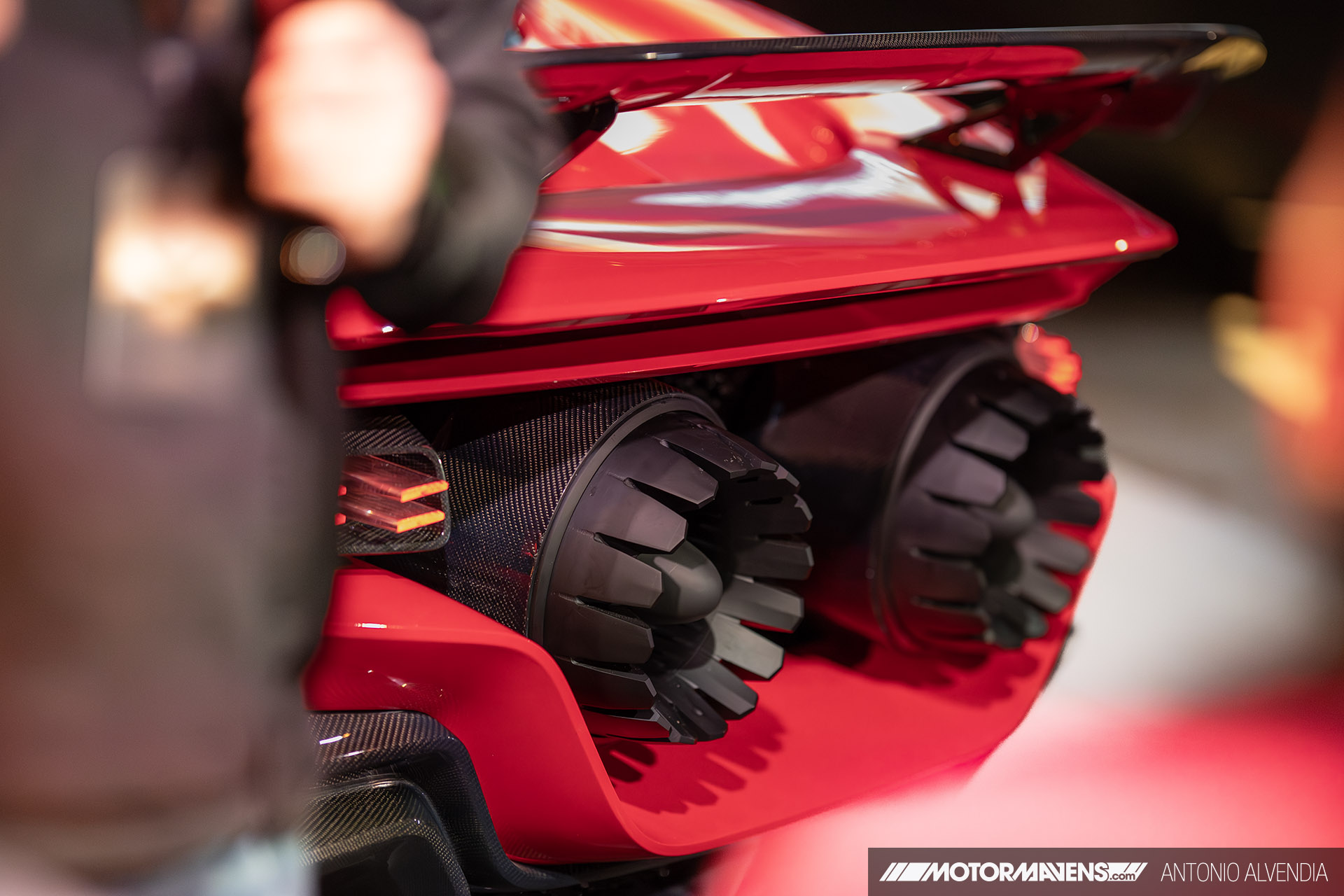
Dreame says its rocket system uses a dual solid-fuel booster setup generating a peak thrust of 100 kilonewtons with a 150-millisecond response time. It sits on a full wire-controlled chassis architecture with 14 degrees of freedom and response times under one millisecond. The car has electromagnetic active suspension, which means the shocks can be magnetized to stiffen the car’s handling at the push of a button (or a menu setting).
The braking system is dry and wire-controlled, and it has a tight turning radius, which apparently comes in under five meters. The chassis was made from dry carbon fiber, which means it is engineered to handle the force that rockets will be putting it through.
Battery-wise, Dreame went with a sulfide-based all-solid-state unit with an energy density above 450 Wh/kg. That’s a meaningful improvement over conventional lithium-ion cells in both energy density and thermal safety. CLTC range is listed at over 550 kilometers, though real-world numbers will tell the full story when the time comes.
Dreame Nebula Next 01 Jet Edition Key Specs:
- 0-100 km/h: 0.9 seconds
- Rocket system: Dual solid-fuel booster, 100 kN peak thrust, 150ms response time
- Battery: Sulfide-based all-solid-state, 450+ Wh/kg energy density
- Range: 550+ km CLTC
- Chassis: Full wire-controlled, 14 degrees of freedom, under 1ms response
- Suspension: Electromagnetic active
- Braking: Dry wire-controlled
- Turning radius: Under 5 meters
- LiDAR: DHX1 ultra-high-definition unit
- AI Platform: Metis intelligent agent, third-generation VLA and World Model architecture
Metis AI and DHX1 LiDAR: How the Dreame Nebula Next Thinks
Dreame’s onboard AI platform is called Metis. It runs at the edge, inside the vehicle, on a large-model deployment that turns the cockpit into something closer to a proactive assistant than a traditional command interface. Metis can schedule across devices and connect with Dreame’s home robotics products. The goal is a system that learns your environment and responds to it across your car, your home, and everything connected to both.
The DHX1 LiDAR unit is worth talking about separately. Most automotive LiDAR captures point-cloud data: rough outlines of what’s around you at a distance. The DHX1 moves to ultra-high-definition image-level sensing that can resolve potholes, small rocks, traffic signs, and pedestrian movements at range with a level of detail that conventional units can’t touch.
Pair the DHX1 with Dreame’s autonomous driving stack and you get two tiers of capability. The L2++ solution handles full-scenario urban navigation from one parking spot to another. The L3+ solution is built for fully unmanned operation. The autonomous driving platform runs on third-generation VLA and World Model architecture.
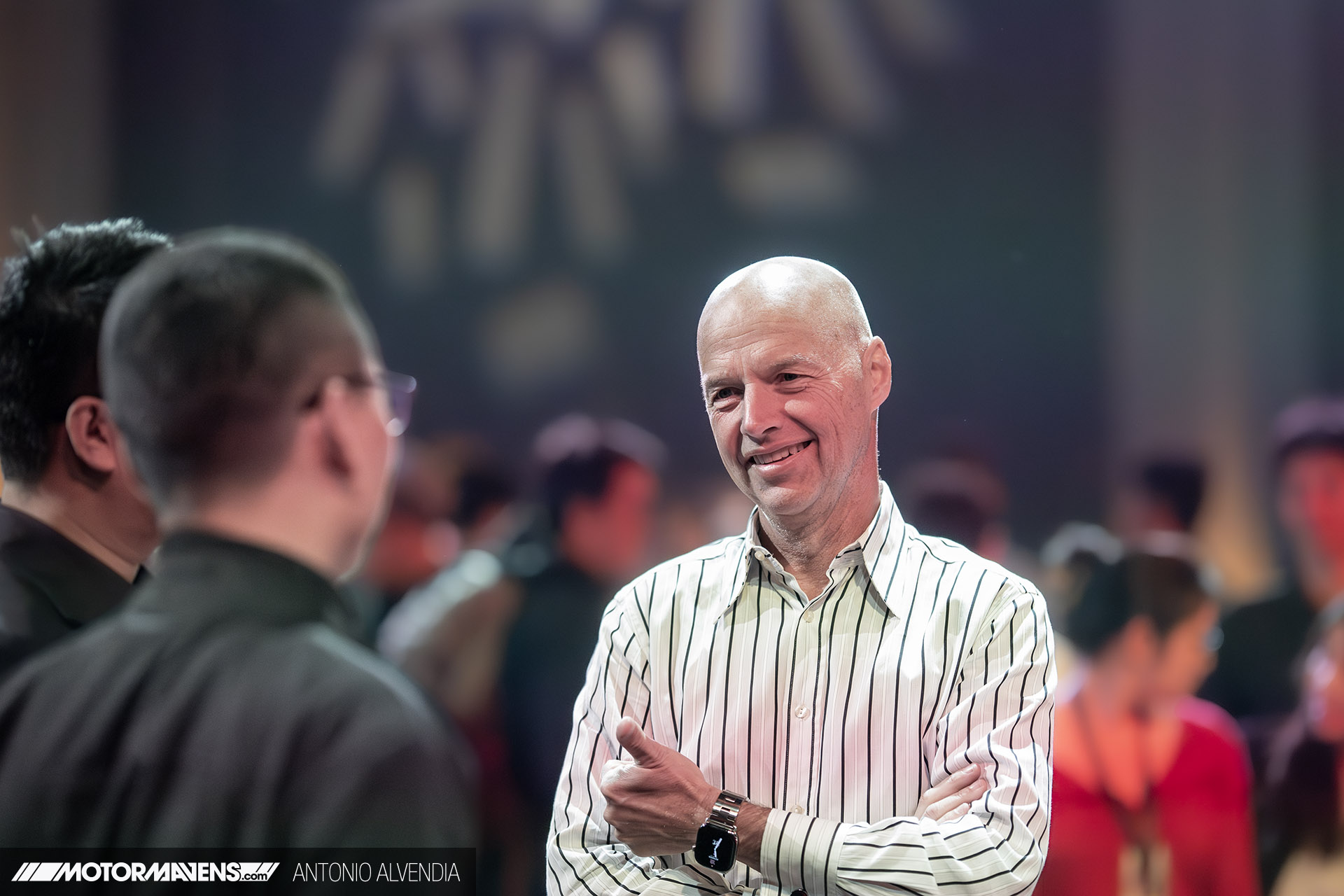
Sebastian Thrun took the stage at the Palace of Fine Arts Theater for the reveal. Thrun is a Stanford professor, co-founder of Google’s self-driving car program, Waymo, Google Maps Street View, Google X, and widely considered the father of modern autonomous vehicles.
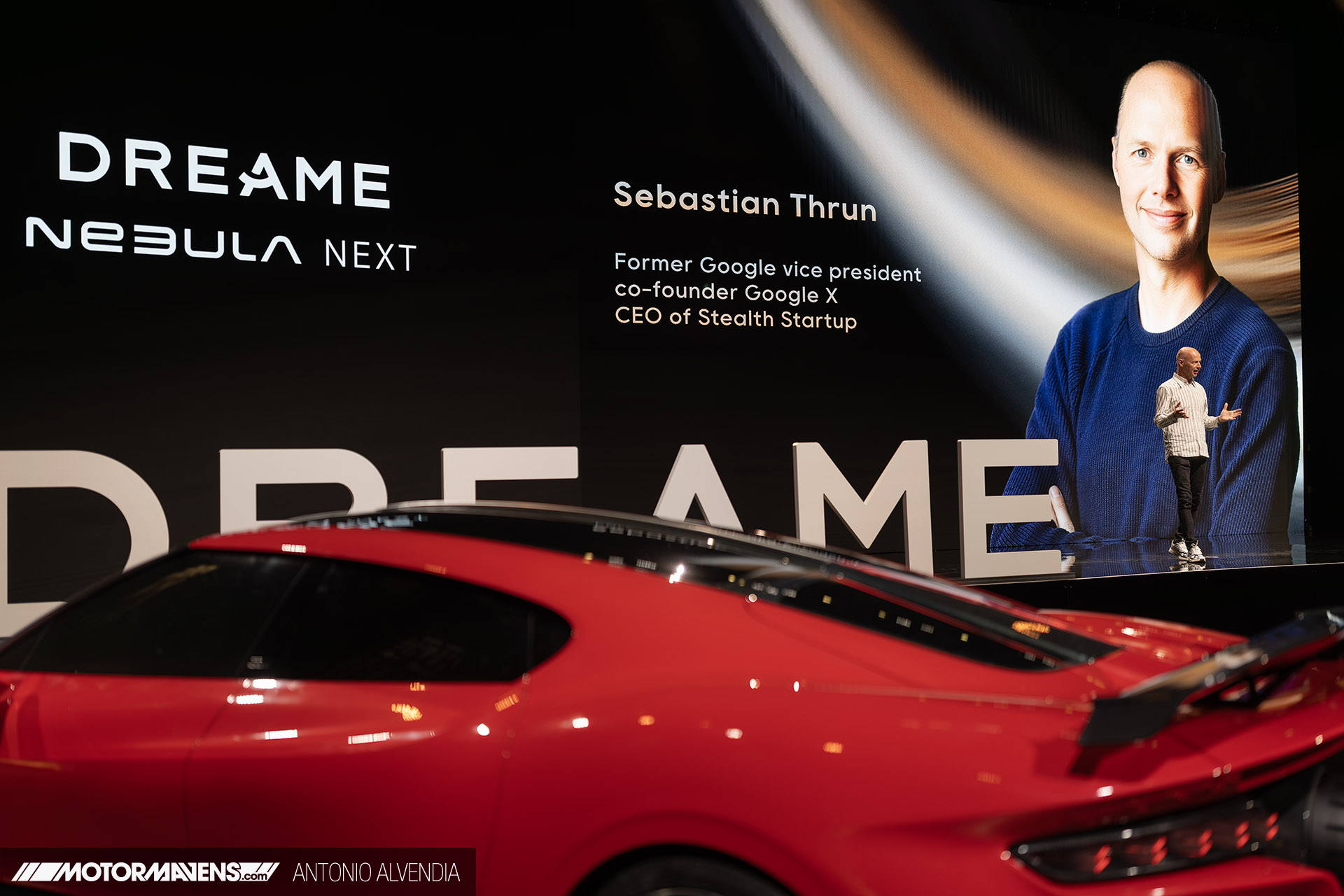
Sebastian told the room he had never seen a product announcement as exciting as this one in his entire career.
That’s not a throwaway quote. That’s someone who has seen everything saying something he clearly meant.
What I Didn’t Expect: The Full Dreame Smart Home and Personal Care Ecosystem
Here’s the part that caught me off guard. The automotive reveal at the Palace of Fine Arts was one part of a much larger showcase floor. Dreame had robotic lawnmowers, autonomous pool cleaners, robot vacuums with AI obstacle mapping, smart refrigerators, coffee makers, air fryers, personal care products, and a lineup of smart tower fans and personal heaters that looked stylish and futuristic in person.
Apparently, these products are built on the same high speed motor technology that enabled Dreame to build the drivetrains and perception systems in their hypercar. Incredible. Attendees learned that the connection between the home products and the vehicles is real, not just a marketing story. The engineering scales across categories because the core technology is the same.
I live in Las Vegas. Summer temperatures hit 118 degrees and my AC runs around the clock. but I still get hot in my own office. Seeing those smart tower fans at the car launch was not something I expected, but I immediately realized I need several of them for all the rooms in my house!
Dreame Nebula Next vs. The Competition: How Does a 0.9-Second EV Stack Up?
The 0.9-second claim deserves some honest context. I’m not super familiar with all of the technical testing parameters, but Road & Track and other outlets have pointed out that 100 kN of thrust is a little less than half of what a land speed record vehicle generates. Getting aerospace-grade solid-fuel propulsion into a road-legal platform is a serious engineering challenge, and independent testing hasn’t happened yet.
Here’s how the claimed figure compares to some of the quickest production vehicles ever built:
- Dreame Nebula Next 01 Jet Edition: 0.9 seconds (claimed)
- Rimac Nevera: ~1.74 seconds
- Aspark Owl: ~1.69 seconds
- McMurtry Spéirling Pure: ~1.4 seconds
- Bugatti Chiron Super Sport: ~2.3 seconds
Dreame hasn’t announced production timing or pricing for the Jet Edition. The non-rocket Nebula Next 01, rated at 1,900 horsepower with a 1.8-second 0-to-60 claim, is targeting the second half of 2027.
Why Dreame’s AI-Defined Vehicle Approach Is Worth Paying Attention To
The auto industry has spent years talking about software-defined vehicles: cars where software determines capability more than hardware does. Dreame is pushing that conversation forward. Their position is that AI-defined vehicles are the next step, where the intelligence layer learns and adapts rather than just executing commands, and where the car connects to your broader digital life in real time.
Dreame’s background in home robotics gives them a different angle on this than traditional automakers have. BMW and Porsche have been engineering world-class cars for generations. Dreame has been building AI systems that operate autonomously inside homes and learning from that experience at scale. Applying that to a vehicle platform produces a different kind of product, and the Nebula Next architecture reflects it.
I’ve been covering automotive events for a long time. Xbox Forza launches, SEMA builds, McLaren unveilings. I’ve been in a lot of rooms where one car carries the whole show.
The DREAME NEXT showcase in San Francisco felt different. The Palace of Fine Arts was the right setting for a company stepping out with a complete vision across multiple product categories, all tied together by shared technology and a common AI platform.
The Nebula Next 01 Jet Edition is the most dramatic thing Dreame has shown so far. The 0.9-second acceleration claim is going to need independent verification before anyone takes it as settled fact, and I’ll be paying close attention to that process. I want to see those numbers on a real test track. I want to watch those rocket boosters fire and take photos and capture high end video footage of them.
Even if the Jet Edition stays a concept, what Dreame laid out in San Francisco is worth taking seriously. High-speed motors, intelligent algorithms, bionic robotics, solid-state batteries, next-generation LiDAR, and an AI cockpit designed to connect your car to everything else in your daily life. They’ve been building toward this for over a decade.
:: Antonio Alvendia
Instagram: @AntonioSureshot • @MOTORMAVENS
www.antoniosureshot.com
Follow MotorMavens on Instagram at @MotorMavens for daily content, build updates, and real enthusiast culture. Subscribe to the MotorMavens YouTube channel for video features, shop tours, and everything happening with the builds you’ve been following. The community lives there. Come be part of it.